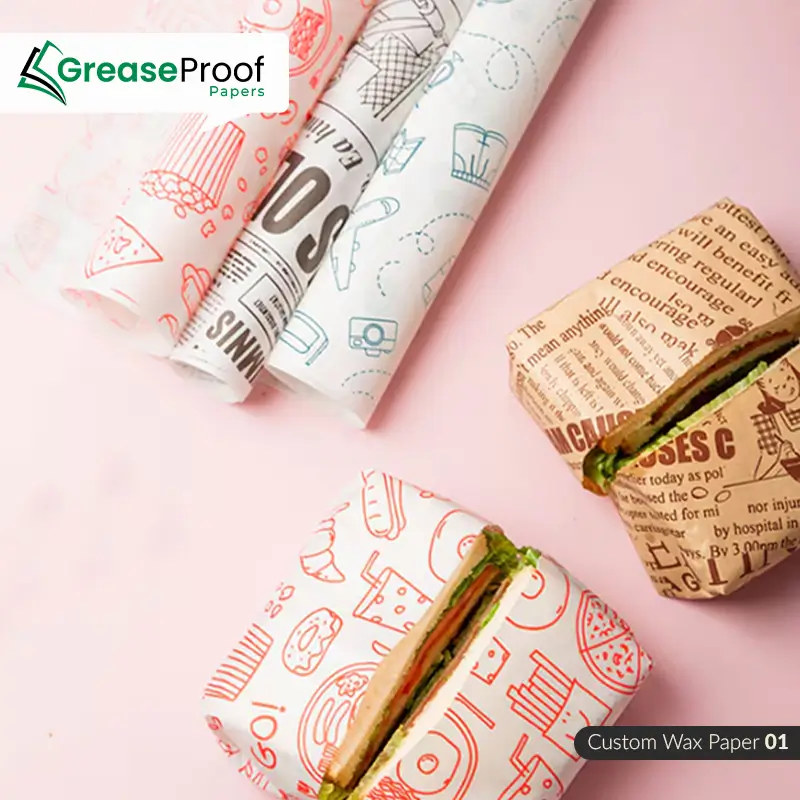

Know The Difference And Similarities Between Parchment Paper Vs Wax Paper
October 24, 2024 Uncategorized
Today, people have the chance or the luxury to enjoy cuisines from all around the world. From Chinese cuisine to subcontinental food, American cuisine to Mexican, Italian pasta to French bagels, all are available to the people due to the widespread supply chain and people’s ability to try new cuisines in their hometowns, due to the availability of recipes on the internet. No matter which cuisine you are cooking, you have certainly used wax paper and parchment paper.
Both wax and parchment paper have different characteristics, which is why they have different usages. Due to their similar appearance, many people consider them the same. Nonetheless, both are remarkably different in features such as resistance to heat, moisture, and applications. Let’s read the blog and see the areas where the two papers are alike and different.
What Is Parchment Paper?
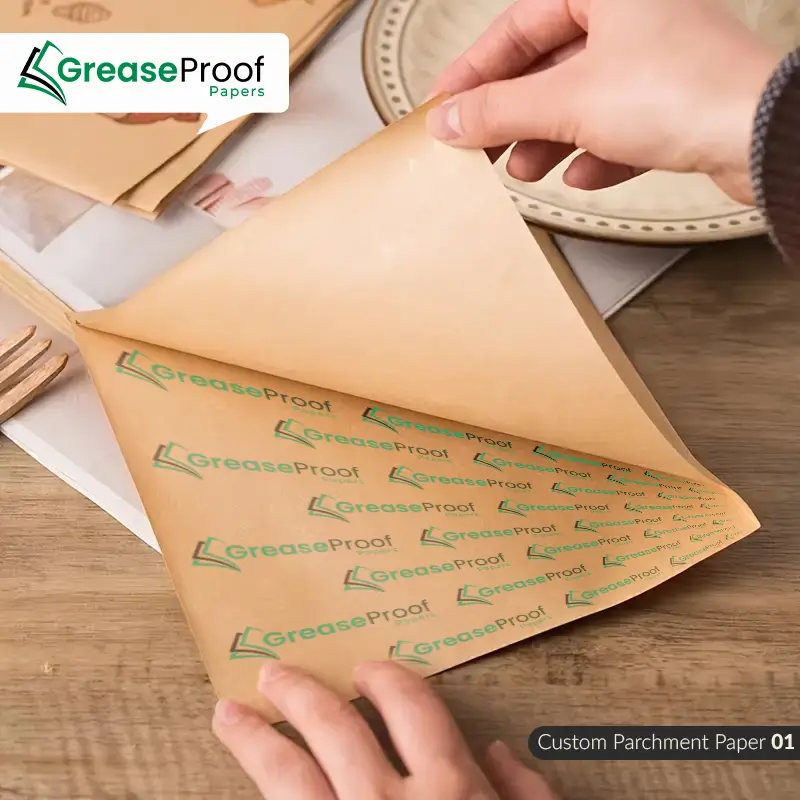
Parchment paper is cellulose-based paper that has been treated to be heat-resistant and non-stick, as well as grease-resistant. The majority of today’s parchment papers are coated with silicone. This coating makes them safe for baking and cooking applications.
Key Characteristics of Parchment Paper
- Heat resistant to about 420°F–450°F (215°C–230°C)
- Non-stick surface
- Grease-resistant
- Oven and Air Fryer Friendly
- Durable and tear-resistant
- Different types, such as bleached and unbleached
Common Uses of Parchment Paper
- Baking cookies and pastries
- Roasting vegetables
- Lining cake pans
- Cooking en papillote
- Air fryer liners
- Packaging applications that need grease resistance
What Is Wax Paper?
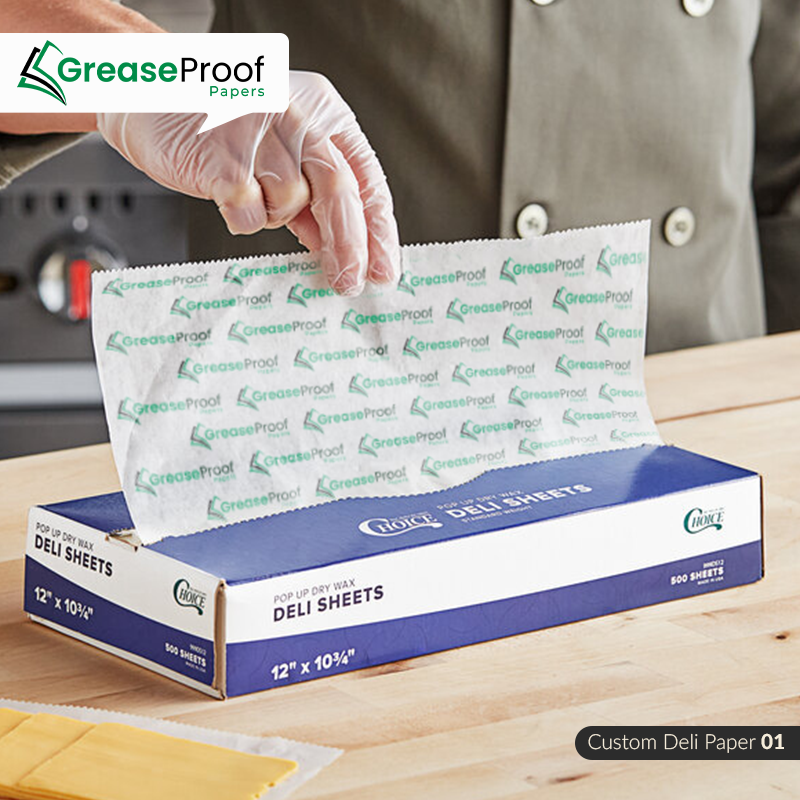
Wax paper is a type of paper that has been coated on both sides with paraffin wax or other soy-based wax. The wax coats it so that it’s very moisture-resistant & non-stick, which is useful for food storage. Wax paper is not suitable for high-temperature cooking because the coating of wax can melt under heat, unlike parchment paper.
Key Characteristics of Wax Paper
- Moisture-resistant surface
- Non-stick coating
- Flexible and lightweight
- Ideal for cold food applications
- Not oven-safe
- Paraffin wax and soy wax are its common types
Common Uses of Wax Paper
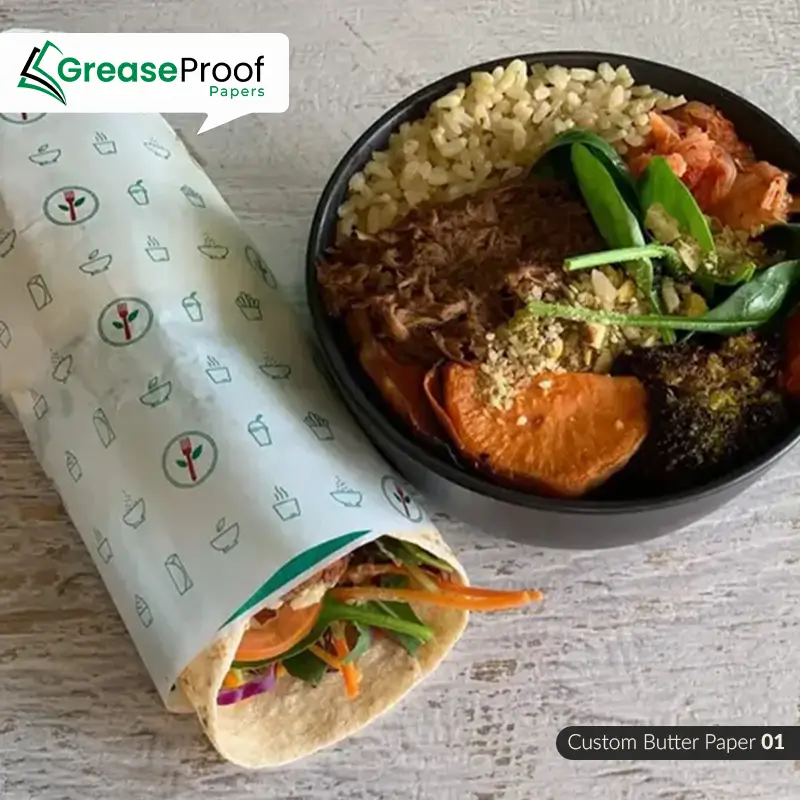
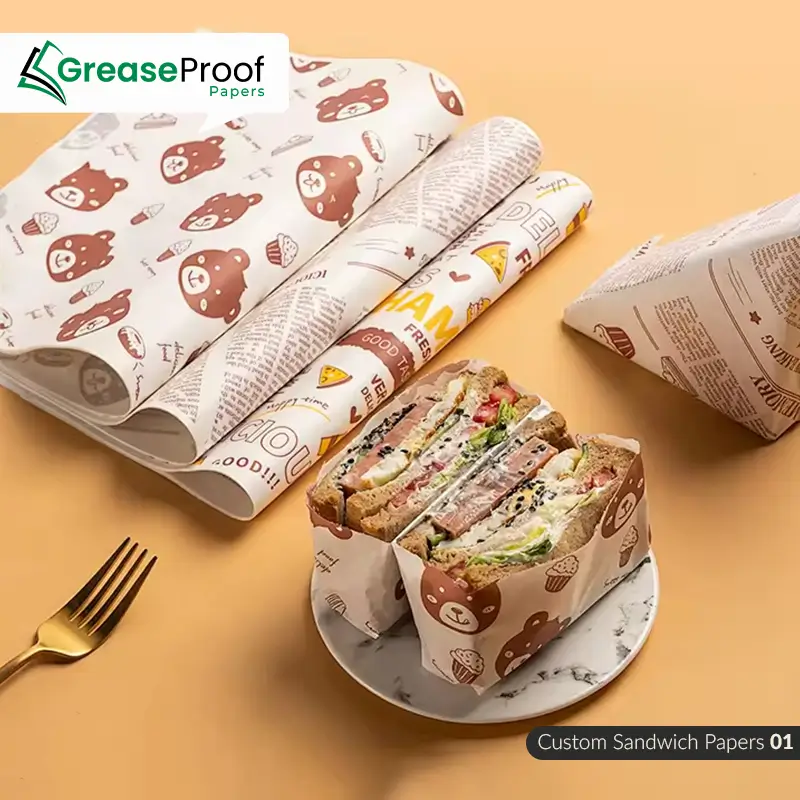
- Wrapping sandwiches and baked goods
- Storing food in refrigerators
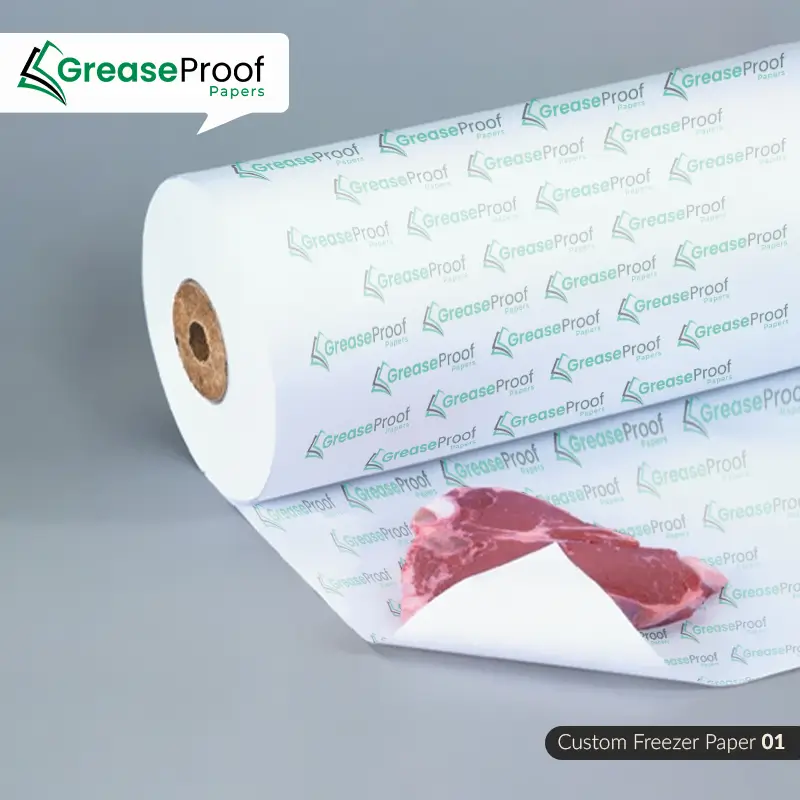
- Separating frozen foods
- Rolling dough
- Candy making
- Craft projects and food presentation
Key Similarities Between Parchment Paper And Wax Paper
Before we start discussing the different features of both papers, we must know that they are similar in various aspects. The surface characteristics are different to many extents, but they also resemble various aspects such as:
Non-Stick Surface
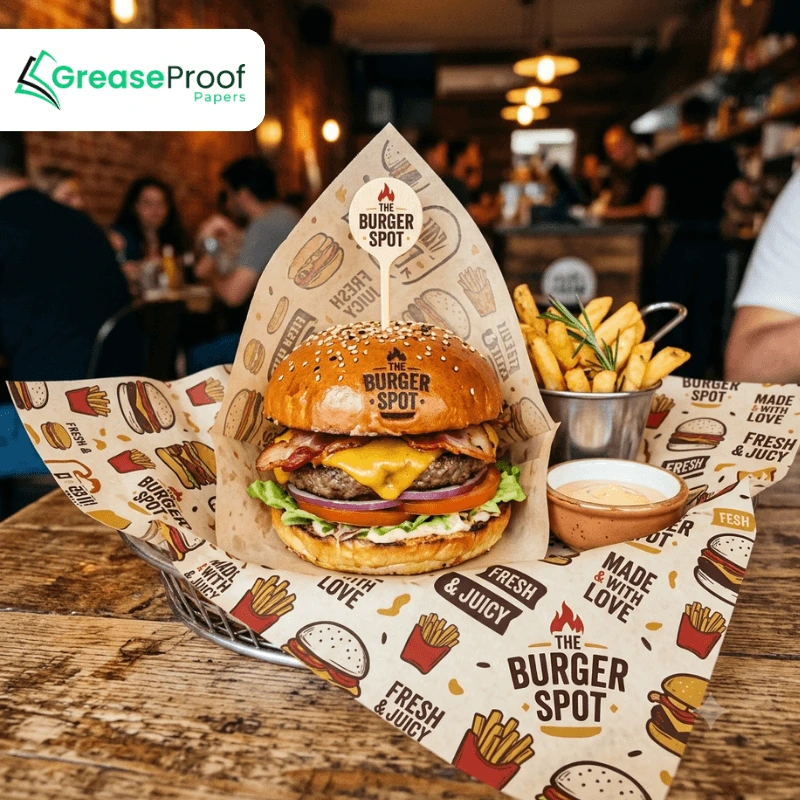
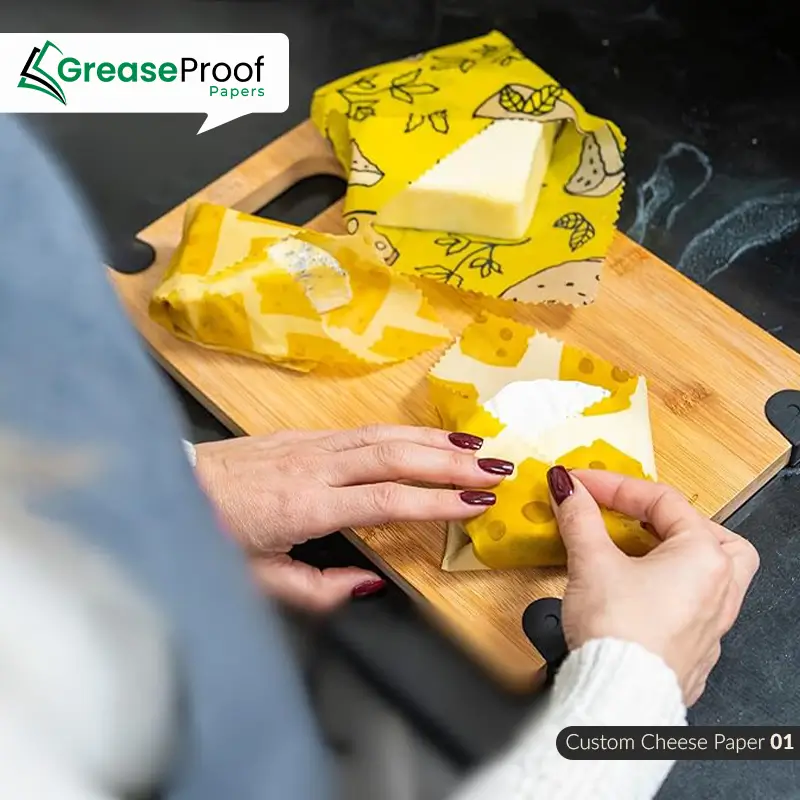
Both the custom food wrapping papers have a non-stick surface. The non-stick surface of the paper makes them perfect for lining pans for food, where the adhesion of food to the pan can be problematic, such as serving sliced cheese. Specifically, if you are rolling dough or wrapping candies, then you can rely on any of the papers from the two of them.
Moisture Resistance
The second similarity between parchment and wax paper is that both of them are resistant to moisture, albeit to a different extent. Wax paper is comparatively more resistant to water as it has an impermeable coating of wax.
Food-Safe
The papers are designed to be food-safe so that they can be used in direct contact with the food. Brands can easily and without any kind of worry wrap their hot, sizzling foods in these wraps because the changes of chemical leaching are absent. Nonetheless, too much exposure to high temperatures, specifically of wax-coated paper, can lead to the release of some of the hydrocarbons into the food, which is why it is preferred not to use wax-coated sheets at high temperatures. Exposure to high temperatures also increases the chances of ignition.
Flexibility and Thinness
Parchment paper and wax sheets are highly flexible, so you can easily mold them as per the shape of the container. This feature of both the greaseproof papers makes them a practical solution for wrapping and storing food products and lining pans.
Comparison Of Parchment Paper Vs Wax Paper.
| Feature Type | Parchment Paper | Wax Paper | Heat Usage | Moisture Level | Surface Finish | Common Use |
|---|---|---|---|---|---|---|
| Heat Resistant | Oven Safe | Heat Sensitive | Baking Tasks | Moisture Barrier | Smooth Surface | Food Wrapping |
| Silicone Coated | Wax Coated | Low Temperature | Cookie Baking | Grease Blocking | Nonstick Finish | Sandwich Packing |
| High Durability | Light Strength | Roasting Foods | Cold Storage | Water Resistant | Matte Texture | Candy Wrapping |
| Burn Resistant | Melt Prone | Air Frying | Refrigerator Use | Oil Protection | Soft Feel | Lunch Packing |
| Baking Friendly | Wrapping Friendly | High Heating | Fresh Keeping | Leak Prevention | Flexible Sheet | Bakery Products |
| Nonstick Surface | Sticky Surface | Cooking Support | Storage Purpose | Humidity Shield | Paper Texture | Kitchen Tasks |
| Premium Quality | Budget Option | Direct Heating | Freezer Storage | Spill Control | Clean Appearance | Household Usage |
Can You Use Wax Paper in the Oven?
No! Do not use wax paper in the oven or under direct heat. The wax coating can:
- Melt
- Smoke
- Transfer residue onto food
- Can Create Fire Hazards at High Temperatures
- Using parchment paper for baking or roasting is the safer alternative.
Can You Substitute Parchment Paper for Wax Paper?
In many cases, yes. You can substitute wax paper with parchment for:
- Food wrapping
- Dough preparation
- Food storage
- Layer separation
Which Paper Is Suitable for Baking?
For baking purposes, parchment paper takes the cake.
- Prevents sticking
- Reduces cleanup time
- Handles high temperatures
- Promotes even baking
- Protects baking trays and pans
Professional bakers and commercial food manufacturers frequently rely on parchment paper because of its consistent performance under heat.
What Is The Best Paper For Food?
In terms of food storage and moisture protection, wax paper usually does a superior job. Ideal Storage Uses of Wax Paper
- Sandwiches
- Cheese slices
- Deli products
- Refrigerated baked goods
- Frozen food separation
Environmental Considerations
In the packaging and food service operations, sustainability is increasingly important.
Parchment Paper
- Often biodegradable
- Some varieties are compostable
- Unbleached options reduce chemical processing
Wax Paper
- They are eco-friendly, then soy-wax-coated papers
- Paraffin wax is petroleum-based
- Local regulations will impact what can be recycled
Businesses in search of sustainable food packaging need to check the product specifications before buying it.
When to Choose Parchment Paper
If you need to use parchment paper:
- Baking and roasting performance
- Heat resistance
- Grease protection
- Easy pan cleanup
- Professional baking results
When to Choose Wax Paper
Choose wax paper if you need:
- Food wrapping
- Moisture protection
- Refrigerated food storage
- Dough rolling surfaces
- Cost-effective food handling solutions
Final Thoughts
Even though they both appear similar, parchment paper and wax paper serve multiple purposes in food preparation and packaging. Parchment paper is often the go-to when baking or other high-temperature applications are required. The wax paper is used for food storage and moisture protection as it has a layer of wax that makes it flexible. For a premium quality and FDA-certified food paper, you can contact Greaseproof Papers. We not only manufacture low-rate packaging, but also give free consultation. You can discuss with us your packaging needs, and we will manufacture a paper that will exactly fulfill your requirements.
Read Also:
Related Products