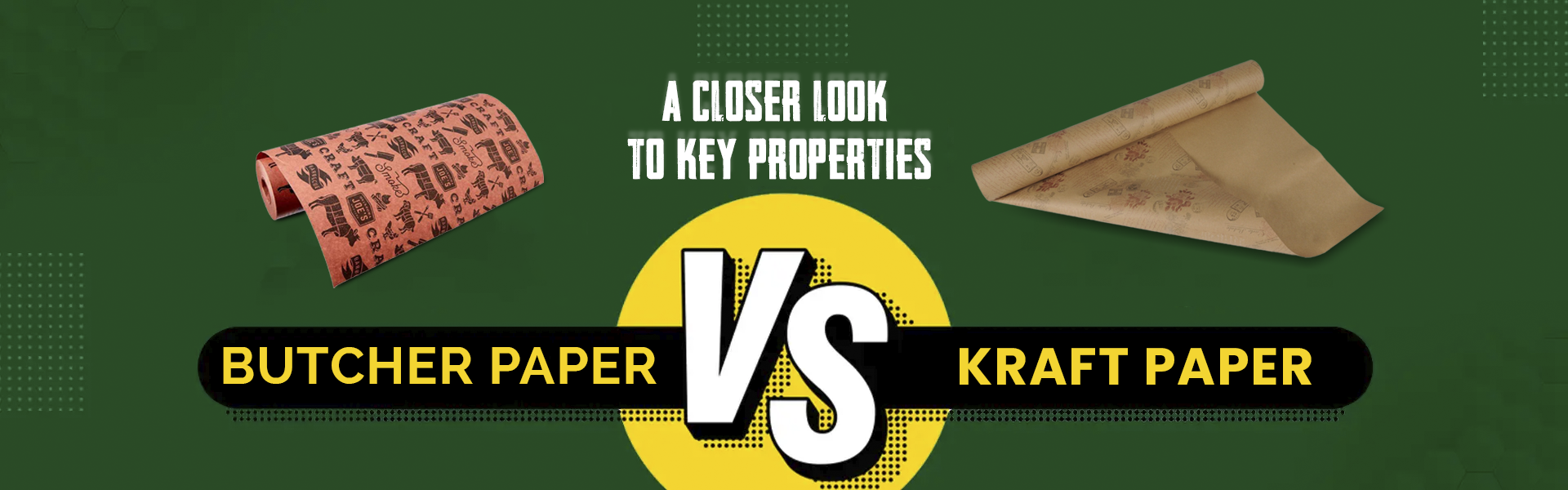
Butcher Paper vs. Kraft Paper: A Closer Look To Key Properties
March 18, 2025 Uncategorized
Butcher and Kraft are two common papers used in the food industry. Brands that are looking for sustainable and sturdy packaging prefer this paper. Although both of them differ significantly, their mechanical and chemical properties vary significantly.
The similarity in the appearance of the paper makes it difficult for the users to understand the difference. In this blog, we will discuss the features that vary in both papers.
Chemical Differences
In butcher paper, special treatment chemicals are applied, such as sizing agents. Apart from this, in some cases, butcher sheets can also be coated with wax or polyethylene coatings that increase the paper’s capability to resist moisture.
On the other hand, kraft paper is generally used untreated without the application of sizing agents and coatings. However, if a brand demands, sizing agents can be applied to enhance the moisture resistance ability of the kraft paper sheets.
Not all the food papers are sustainable for direct food consumption, as they may contain toxins. Nonthles, butcher paper is specifically manufactured to be directly used for meat or other wrapping. It is food-grade and designed to meet food contact requirements. On the other hand, a standard kraft paper is primarily intended for packaging and shipping purposes. Some of the key specifications for food safety considerations are as follows:
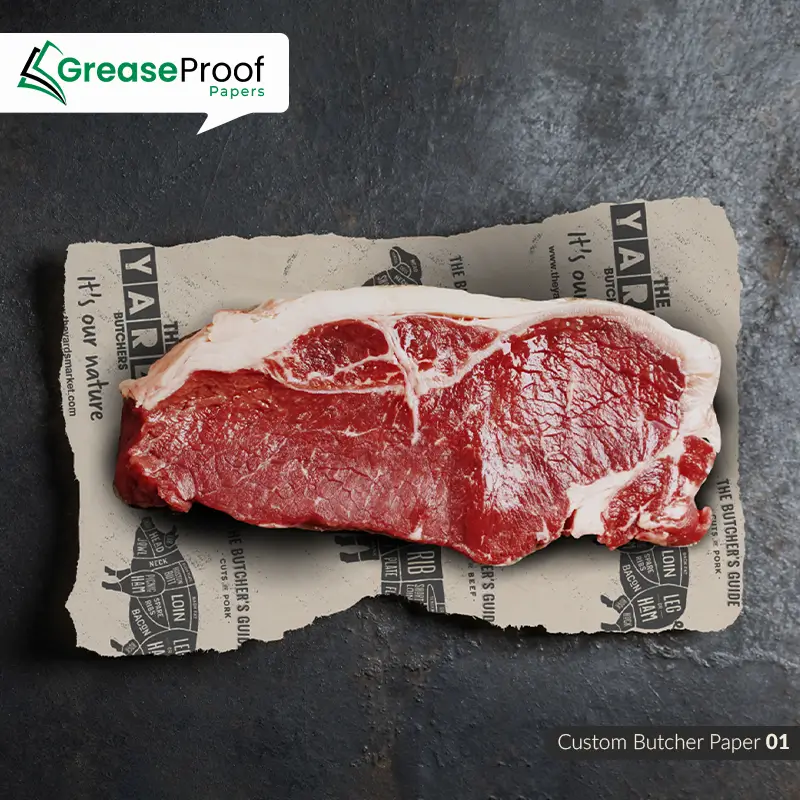
- Butcher paper is for wrapping fresh meats and poultry
- Food-grade butcher paper is safe for direct food contact
- Smoking brisket and barbecue meats is done via pink butcher paper
- Brands must verify food-grade conditions before using paper
Mechanical Differences
When it comes to the mechanical difference, butcher paper is much more durable and flexible, and it can be wrapped around meat without tearing. When it comes to kraft, it is stiffer and coarser, which is why it has a better tensile strength and can be used for packing and wrapping heavy items.
Breathability and Porosity
One of the major differences between butcher paper and krat paper is their level of breathability. Butcher paper is more porous, which allows moisture vapors to escape while protecting the texture of the wrapped meals. This feature of the paper makes it perfect for the maintenance of moisture in the meat and the retention of bark formation at the time of smoking meat. Kraft paper is dense and less breathable, which is why it is suitable for applications that do not need airflow.
- Burcher’s paper maintains meat quality
- Excessive moisture buildup is avoided with the use of butcher sheets
- Butcher paper reduces the risk of soggy meat
- We can enhance the taste of barbecues with the use of butcher’s papar rolls
Manufacturing Differences
In the manufacturing of kraft paper, a process is involved called the kraft process. This process involves the chemical pulping of the paper. The wood chips are treated with sodium hydroxide and sodium sulfide, which break down the lignin into separate cellulose fibers. The result is a strong and durable paper that is not bleached and has a rustic color. No other coatings are applied to the kraft paper rolls.
Butcher paper is manufactured by the kraft process, but it also undergoes special treatments. Apart from the application of sizing agents, wax or PE coatings are also applied to butcher sheets.
Chemicals Used In Butcher Paper Vs. Kraft Paper
Although the kraft process gives the maximum strength to both papers, there are certain chemicals applied to butcher paper to enhance its functionality and resistant nature. The chemicals used in both papers are as follows:
Butcher Paper
- Sizing agents, such as alkyl ketene dimer (AKD) or rosin
- Wax or PE coating
- Bleaching agents
Kraft Paper
Usually untreated but it can be treated with sizing agents
The table shows some of the common differences when it comes to butcher paper vs kraft paper
| Feature | Kraft Paper | Butcher Paper |
|---|---|---|
| Material | Wood Pulp | Wood Pulp |
| Strength | Very Strong | Moderate |
| Texture | Rough | Smooth |
| Coating | Uncoated | Coated/Uncoated |
| Color | Brown/White | White/Brown/Pink |
| Moisture Resistance | Low | High |
| Grease Resistance | Low | Moderate to High |
| Breathability | Low | High |
| Heat Resistance | Limited | Moderate |
| Common Use | Packaging and Wrapping | Food Wrapping and Meat Packaging |
| Food Safe | No (Unless Food-Grade) | Yes |
| Flexibility | Stiff | Flexible |
| Sustainability | Recyclable and Biodegradable | Recyclable and Biodegradable |
| Cost | Affordable | Slightly Higher |
Grease Resistance and Oil Protection
Grease and oil resistance are both important in food packaging. Butcher sheets are treated with sizing or coatings to improve the paper’s ability to resist grease penetration. This feature helps prevent leakage and keep the edibles safe at the time of keep the food safe at the time of transit. On the other hand, untreated kraft absorbs grease and oil quickly. This reduces the effectiveness of krat paper food applications. Some of the common applications where grease resistance is required are as follows:
- Fresh meat packaging
- Sandwich wrapping
- Deli product packaging
- Barbecue and smoked meat wrapping
- Fast-food packaging
Moisture And Temperature Resistance
On butcher paper, a coating is applied. Therefore, it has good moisture resistance. The application of sizing agents also causes the paper to resist moisture. Nonetheless, heat resistance is a variable phenomenon in different types of butcher sheets. If you have not applied any coatings to the paper, then you can use it for mocking meat. On the other hand, avoid direct heat application.
Kraft paper is rarely treated with sizing agents, which is why it does not have good resistance to highly moist applications. This paper is not designed for high-heat applications, but its durability makes it an ideal option for wrapping products.
What Is A Sizing Agent, And Can It Be Used On Kraft Paper?
As we have repeatedly mentioned, let’s see what a signing agent is. It is a chemical that is used on the paper surface to reduce absorbency and improve the resistance to moisture and grease. Common sizing agents are rosin, alkyl ketene dimer, and succinic anhydride. Yes, you can use sizing agents on kraft paper as this agent enhances the moisture resistance of the paper without reducing the sustainable aspect of the packaging.
Types Of Butcher Paper
Several types of butcher paper are mainly differentiated based on color. The application and some physical properties of the butcher paper sheets vary from each other. On the other hand, the different varieties of kraft paper are due to the applied coating and the presence or absence of a bleaching process.
- White Butcher Paper: This is a standard, uncoated paper used for wrapping meat.
- Pink (Peach) Butcher Paper: Pink paper is used for smoking meat due to its breathable nature.
- Steak Paper: This is a thicker variation of butcher paper that is used to pack meat to prevent drying.
- Gardenia Paper: This is a wax-coated and grease-resistant paper that is used for moist food packaging, but it is not suitable for heat purposes.
- Peach Treated Paper: This paper is moisture-resistant and has antibacterial treatment, which is why it is used to pack raw meat.
Types Of Kraft Paper
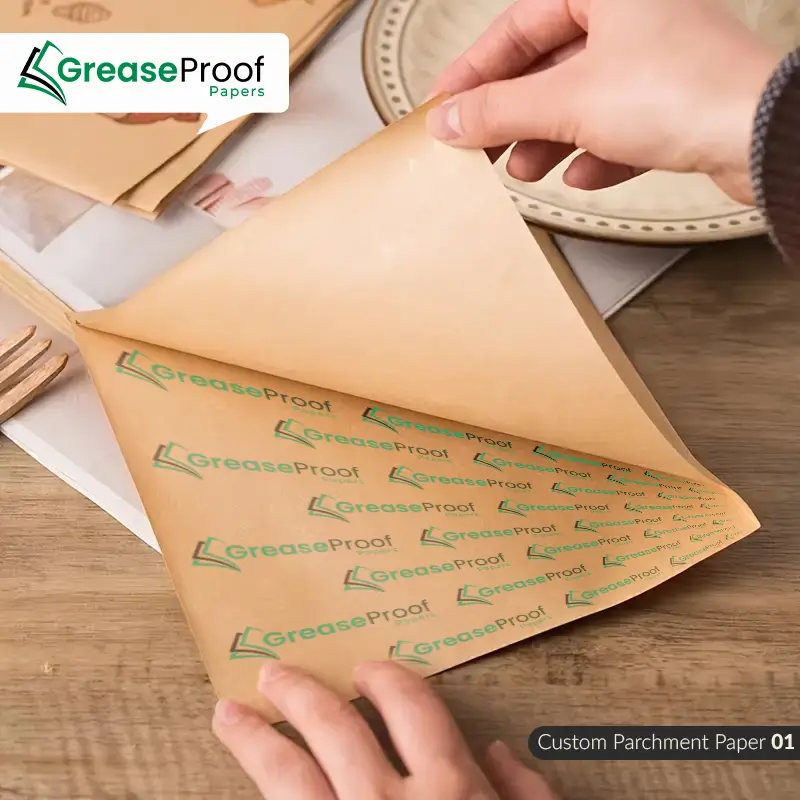
- Natural Brown Kraft Paper: This is an unbleached and strong paper that is used for packaging.
- Bleached White Kraft Paper: This paper is treated with bleaching agents and is used for craft projects.
- Colored Kraft Paper: This paper is colored after the bleaching process to get the desired shade.
How to Choose Between Butcher Paper and Kraft Paper
The selection between butcher and Kraft paper depends largely on the intended applications. If you need to pack or smoke food, then the butcher is the best option. On the other hand, Kraft is the best option for retail packaging and general packaging applications. Kraft has high strength and affordability as compared to butcher paper sheets. You can choose butcher wrapping paper when you need:
- Food-safe packaging
- Meat wrapping
- Moisture resistance
- Smoking and barbecue applications
- Grease protection
Kraft is the best option in the following applications:
- Product packaging
- Shipping protection
- Retail wrapping
- Cost-effective solutions
- Strong and durable paper materials
Conclusion
Due to the same appearance of butcher and kraft paper, confusion occurs in the minds of the user about whether these papers are alike or different. Despite a similar look, both papers have viable qualities. Butcher paper is comparatively more resistant to moisture and heat than kraft paper, which is coarse and dense. To get the best quality of the papers, you can contact Grease Proof Paper and avail of remarkable quality at lower rates.
Related Products