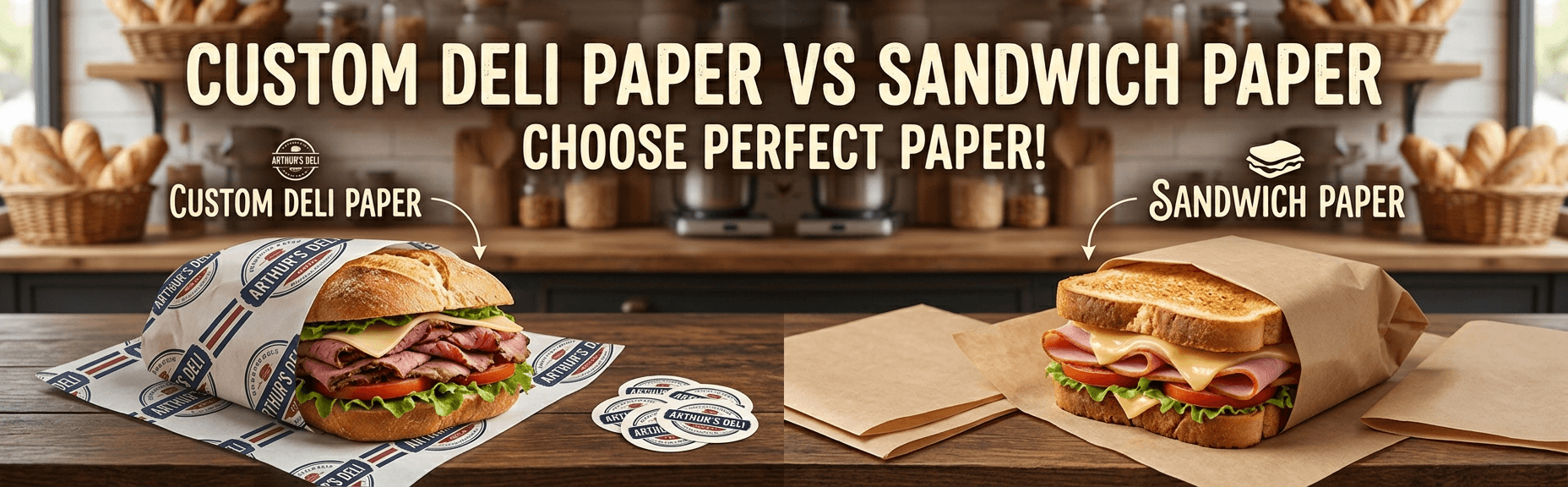
Custom Deli Paper Vs Sandwich Paper Choose Perfect Paper!
July 8, 2026 Uncategorized
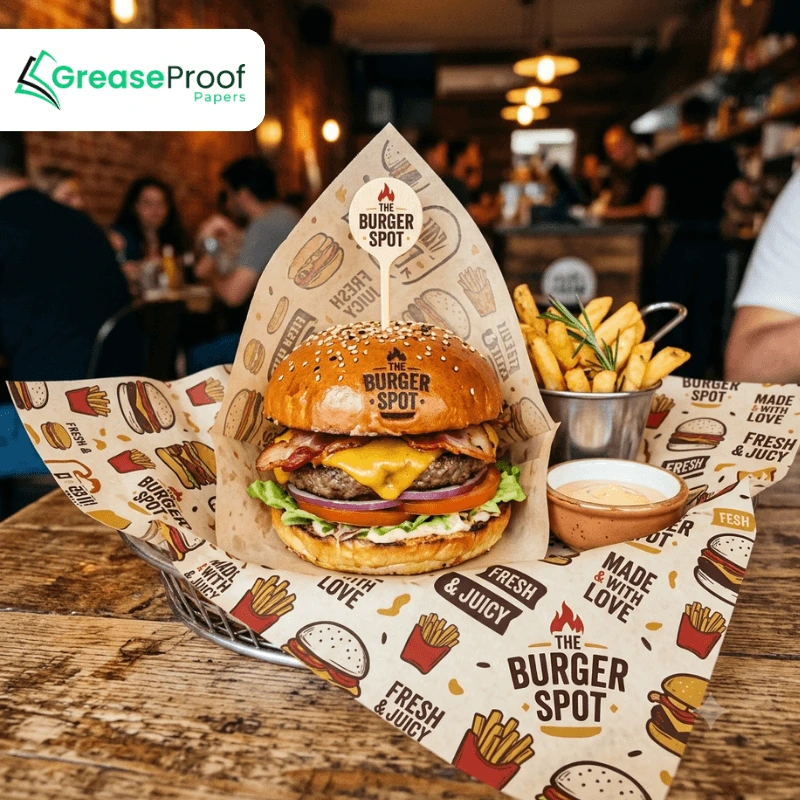
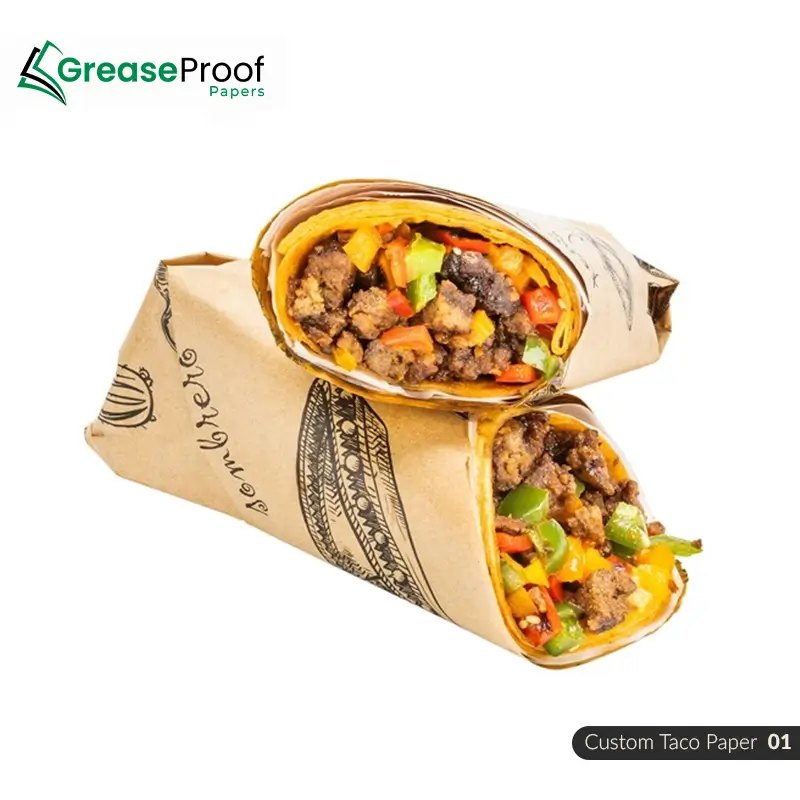
Deli and sandwich paper are the most essential types of custom fod wraps. These papers are used widely in the food industry due to their attractive look and protective features. Although both of them serve similar purposes, their structure, manufacturing, and chemical content differ.
When it comes to custom deli appearance vs. custom sandwich paper, one question that comes to mind is, “What is the difference between deli paper and sandwich paper, and when can they be used as an alternative?” To answer all your queries, let’s read the blog!
Structural Differences
The structural differences between the two papers lie in using different types of materials. It depends upon the specific needs of the consumers and the other qualities they want in their food wrap. Some of the differences between the two are as follows:
Custom Deli Paper
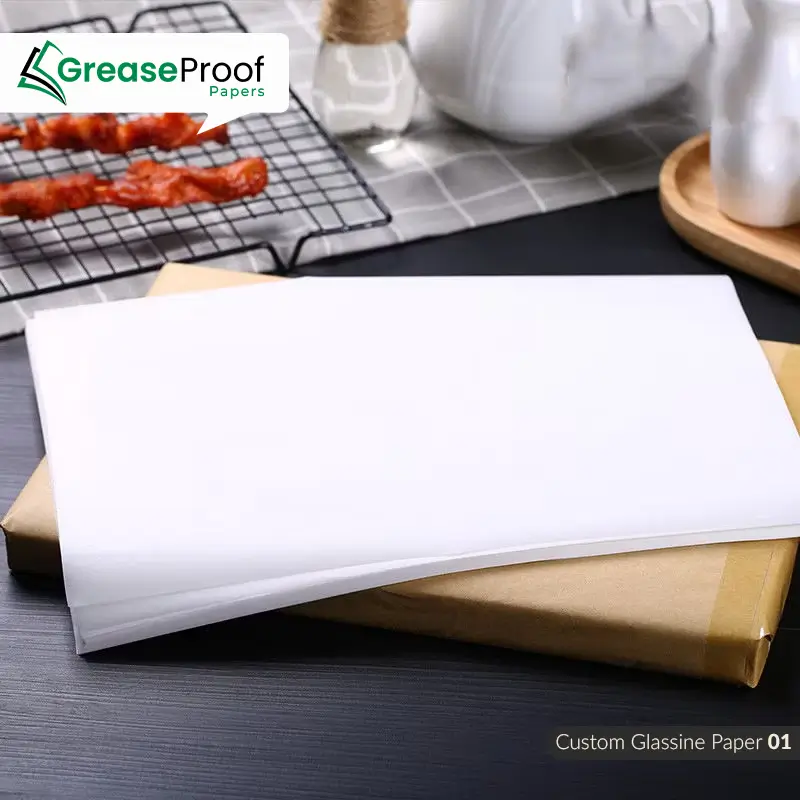
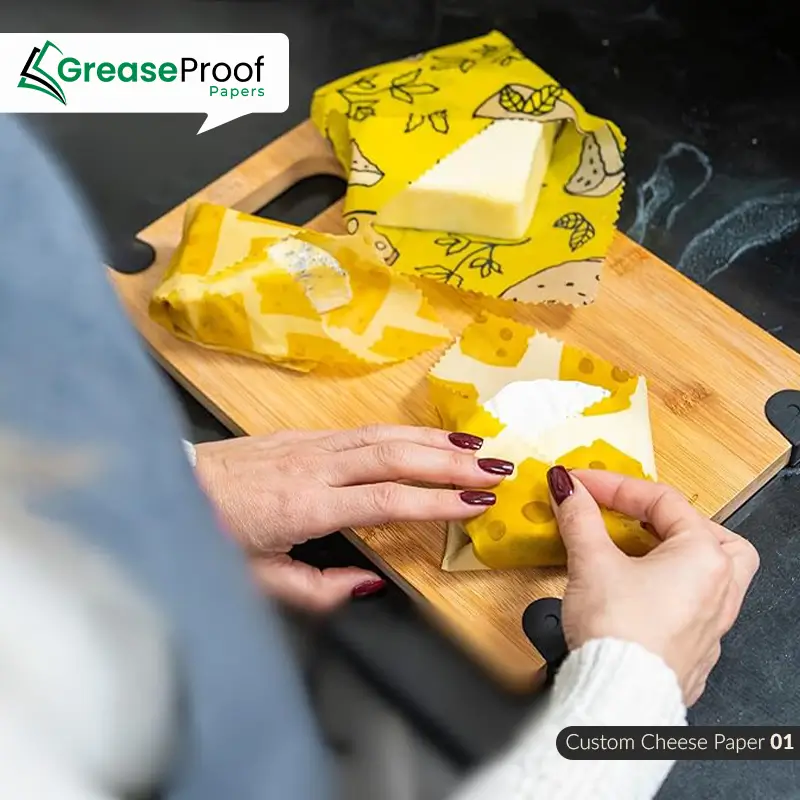
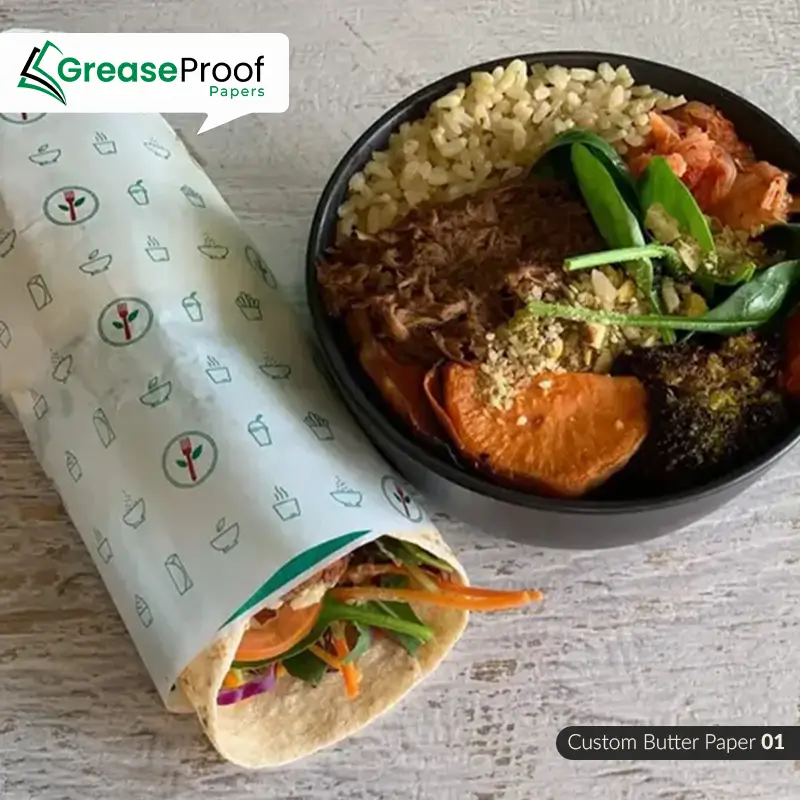
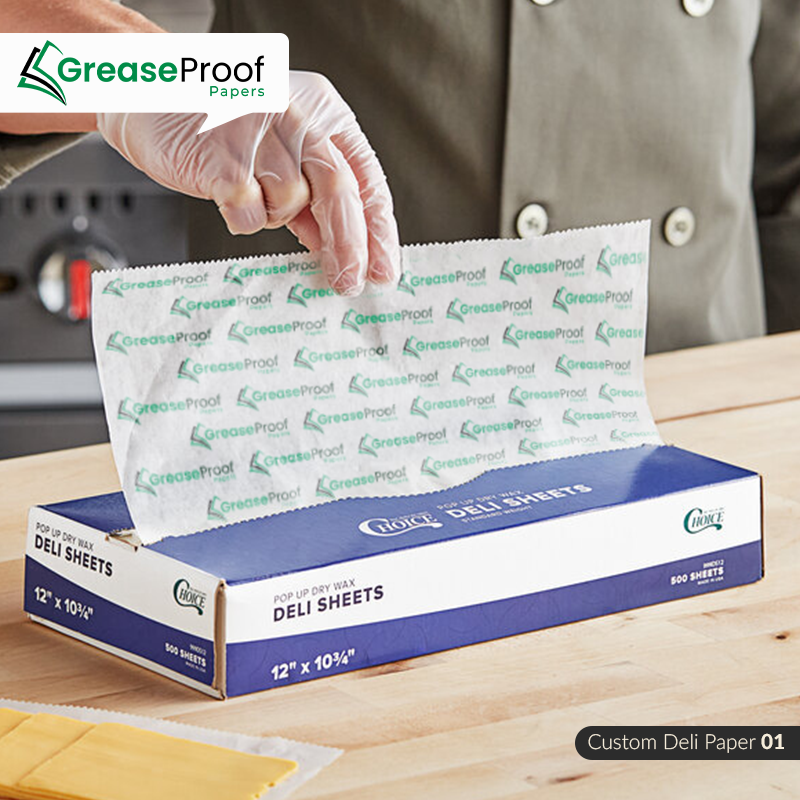
This paper is designed to meet consumers’ flexibility and grease resistance requirements. Deli paper sheets also have significant strength and can have single or multiple layers. Single-layered paper wrap cheese, meats, and other deli items. This single layer gives the paper flexibility and strength, allowing it to be quickly wrapped around irregularly shaped items.
On the other hand, multiple-layer paper is thicker and more robust, which is why it is puncture-resistant. Thus, it can be used to pack food items high in fat or moisture.
Sandwich Paper
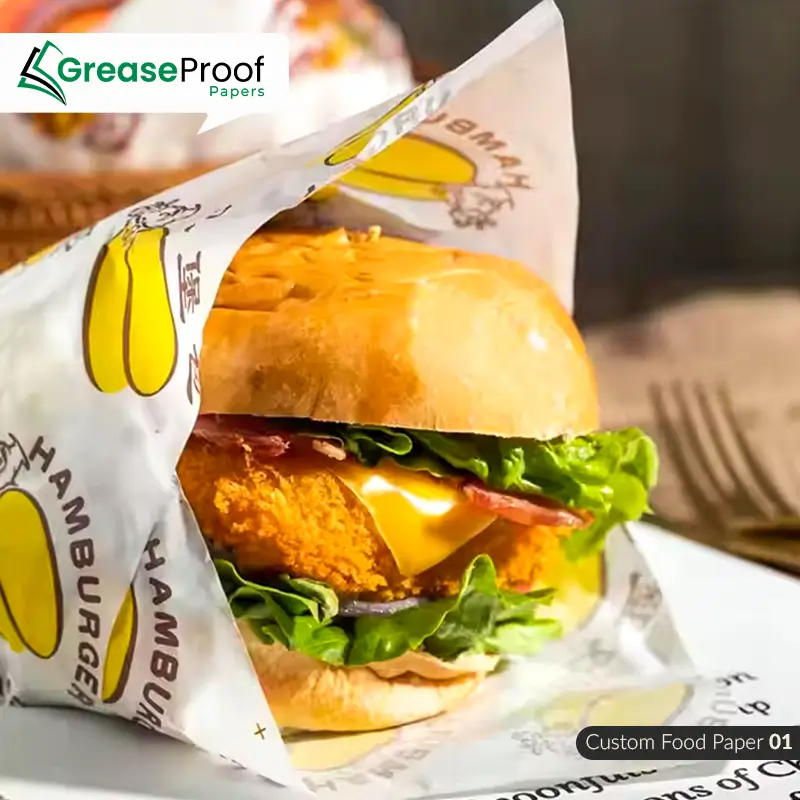
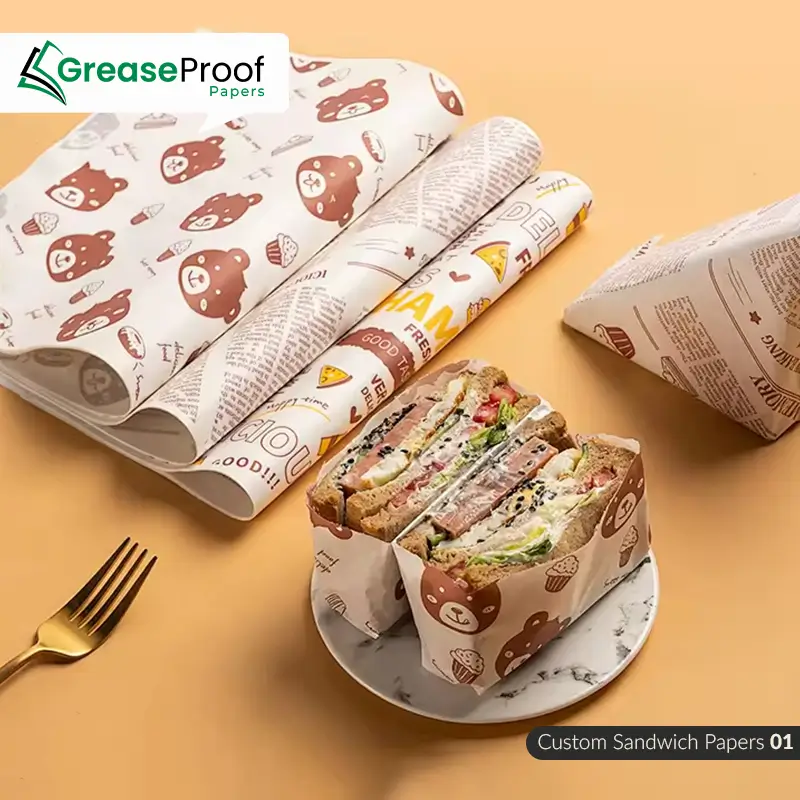
Sandwich paper is a single-layer material that can be coated with other materials. It is much thinner than deli paper and is suitable for wrapping sandwiches and other quick-service products. Sandwich paper is soft and flexible, so food service workers and users can easily tear it and consume the food.
Its flexibility makes sandwich paper with a single layer ideal for wrapping sandwiches and similar products. On the other hand, paper coated with wax is the perfect option to increase its moisture resistance. Sandwich paper is slightly less durable than deli sheets despite having an additional layer.
Manufacturing Differences
Custom Deli Paper: Manufacturing custom deli paper involves carefully selecting raw materials and having the ability to cater to specific requirements. The manufacturing process can involve one of two types of paper production:
When it comes to the manufacturing of the paper, specific steps differ from them. Due to the differences in these steps, the papers show different qualities, such as:
Custom Deli Paper
In the manufacturing of deli paper sheets, we select two different types of materials: the one is virgin paper and the second option is recycled paper. Virgin paper is used for storage paper. The wood pulp is treated with different chemicals and mechanical processes to acquire strength and moisture resistance.
Calendaring smooths paper by compressing it in production, enhancing its texture and strength. Recycling materials can also reduce environmental effects. To maintain the strength of the paper, we have to apply coatings to reach the required level of durability.
Sandwich Paper
Sandwich paper is made from low gsm paper, mainly kraft or other cellulose-based fibers. This paper is not treated heavily with coatings and finishes. However, here, a process called calendaring is used. The primary purpose of not using thick paper and coatings is to retain the flexibility and breathability of paper. Sometimes, a light coating or wax or other biodegradable materials can enhance the moisture resistance of paper,r. Still, these coatings are thinner than those applied on deli sheets or rolls.
Chemicals Used In Manufacturing
Another difference between these two papers is that different chemicals are applied to them. The difference in the applied chemicals gives the papers different qualities and makes them suitable for other purposes.
| Chemical | Function | Application | Safety | Effect | Usage |
|---|---|---|---|---|---|
| Paraffin Wax | Moisture Barrier | Coating | Safe for Contact | Prevents Sogginess | Food Packaging |
| Polyethylene | Waterproofing | Coating | Non-Toxic | Increases Durability | Food Wrapping |
| Calcium Carbonate | Paper Strengthening | Filler | Safe for Food | Adds Thickness | Improves Rigidity |
Temperature and Moisture Resistance
Custom greaseproof papers’ manufacturing, applied chemicals, and structure are different, and the resistance to heat and moisture is also significantly different.
Deli Paper
This paper has a high level of moisture and grease resistance. The temperature resistance varies mainly based on the coatings applied to the paper. For instance, if wax coating is applied, it will not be highly resistant to temperature. On the other hand, if you choose silicon coatings, the paper will have almost the same resistance as parchment paper.
Sandwich Paper
Sandwich paper rolls and sheets are not very resistant to moisture and grease. However, sandwich paper is more breathable, which is required to keep some food items fresh. It can absorb extra moisture from vegetables, sandwiches, condiments, etc. If you choose a wax coating, it can also be a good option for greasy foods. However, when it comes to temperature resistance, it is not a good option as it is manufactured for room-temperature application or refrigeration for a short time.
Applications of Custom Deli Paper and Sandwich Paper
When comparing the application of custom deli and sandwich paper then the differences are not much pronounced. Nonetheless, these two are manufactured for specific usages in the same industry i.e. food packaging. Some of the key uses are as follows:
Custom Deli Paper
- Deli Counter Use
- Restaurant and Catering Use
- Packaging for Specialty Foods
Sandwich Paper
- Fast Food Chains
- Takeout Packaging
- Food Service Packaging
When Can They Be Used as Alternatives to Each Other?
Despite the fact that sandwich paper and custom-printed deli paper both have different features and usages. There are certain conditions in which you can use them as an alternative to each other. Depending on the specific needs of the food services industries, these papers can be used interchangeably under the following conditions:
Moisture Control Needs
If you need to pack a food item that does not contain a high level of moisture and grease, then you can choose any of the two papers. As the sandwich paper is more economical, it is better to use it as an alternative to deli paper wraps.
Branding Opportunities
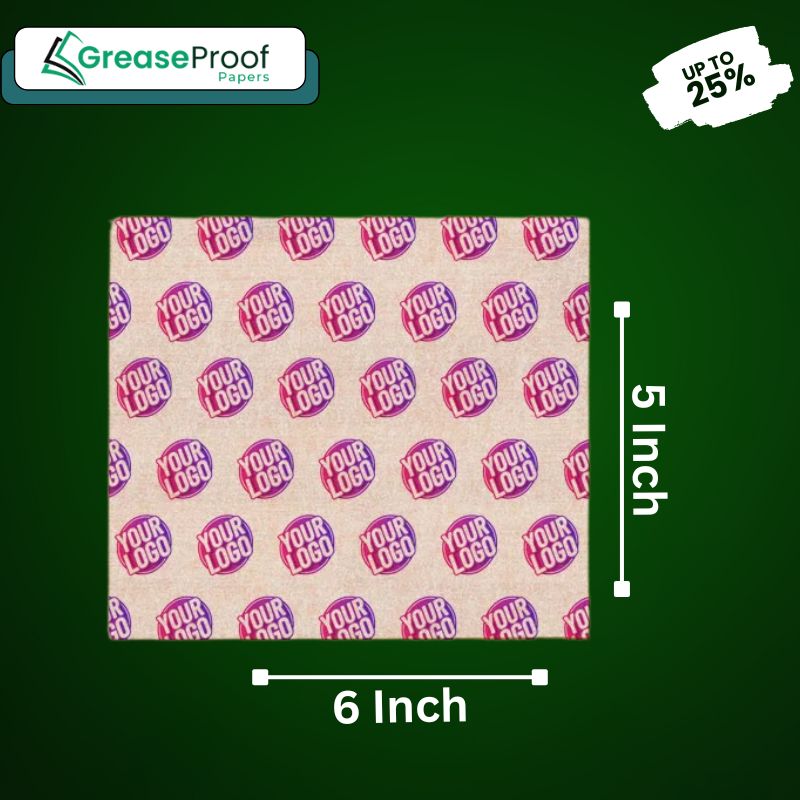
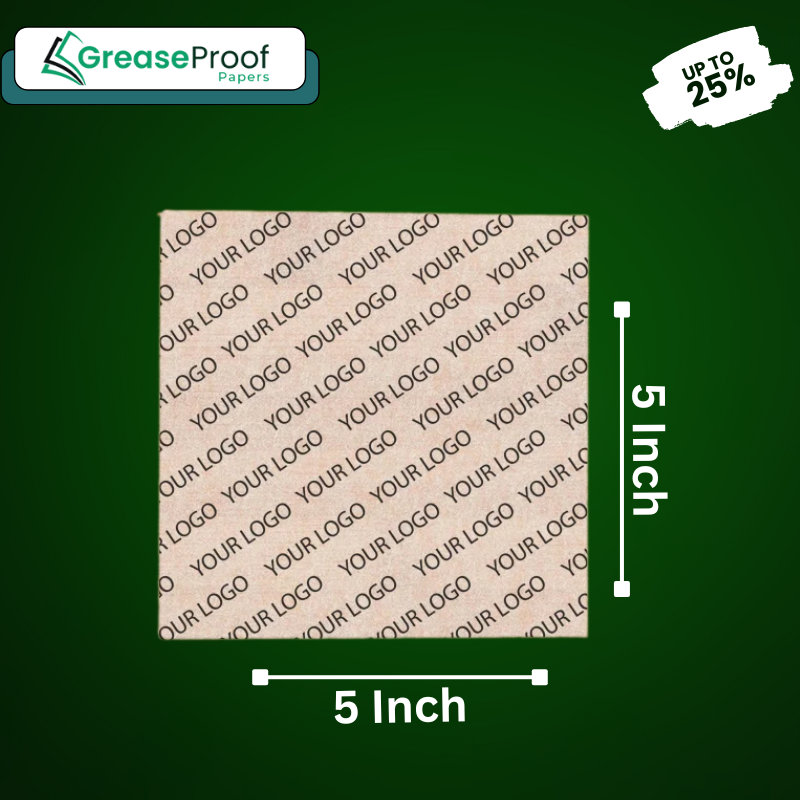
If your sole purpose in using the custom wraps is to promote your brand and you do not need the robustness of deli wraps, then it is better to use sandwich paper. You can easily print the paper with your brand’s marketing messages without burdening your financial resources.
Fast Casual Settings
When you are dealing with quick wrapping services, then it is better to go with sandwich paper instead of deli. This is because this paper is much more flexible and easily wraps around the irregular shapes of food items. Specifically if the food that you need to be packed does not contain high levels of moisture and grease.
Related Products