
Is Wax Paper Edible? What Happens After Accidental Eating?
August 5, 2025 Uncategorized
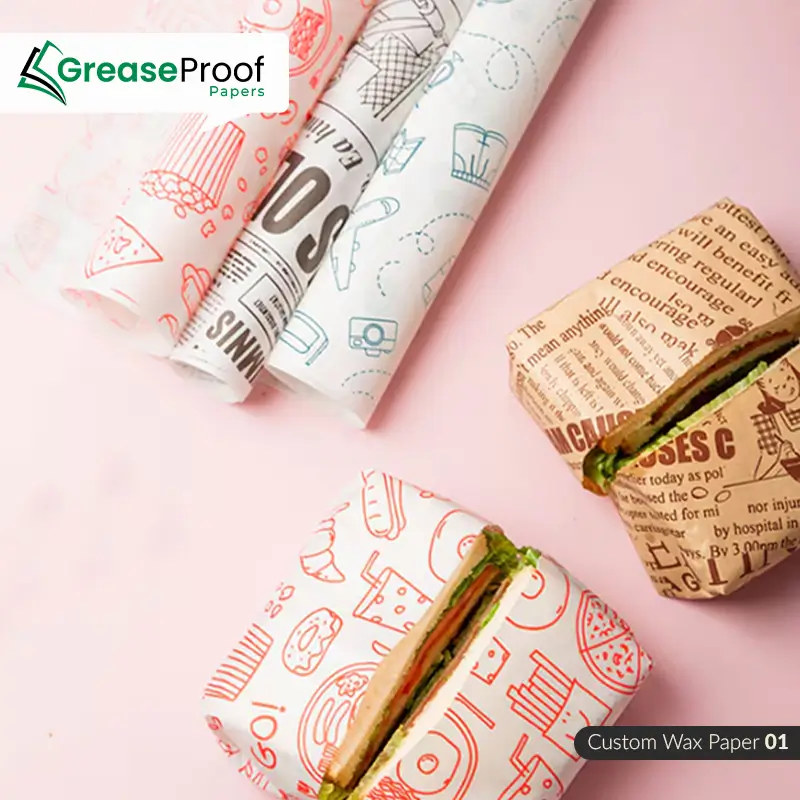
Wax paper is a common kitchen tool frequently used to wrap food items and products. One question that comes to mind for many is, “Is wax paper edible?” People ask this question because sometimes the paper can accidentally be engulfed.
The answer to this question is not as simple as it seems and depends on several factors, such as:
- The type of wax applied to the paper
- The quantity engulfed
- The food-grade nature of the main paper
Different manufacturers use various types of raw materials, and the food-safe nature of the custom paper largely depends on them. Let’s read the blog and fully understand this.
Wax Paper And Food Safety
Wax paper is generally considered safe and can be used in direct contact with food. This paper is manufactured keeping in mind the food-grade standards. Nonetheless, the paper itself is not edible. It is manufactured with cellulose fibers and a certain type of wax. These two are not digestible by the human gastrointestinal system.
Food-grade wax is inert and nontoxic. But it is essential to create a moisture barrier to prevent the food from getting soggy, and it has a low melting point. If you use the paper at high temperature, the toxic fumes may start to rise due to the breakdown of the inert components. The fire hazard is also present, which can make the use of paper dangerous.
Manufacturers most of the time mention the compliance information on the paper regarding its being BPA-free and bleach-free. When you use the paper for cold food or moderately hot food wrapping, then it is 100% safe. So when it comes to wax paper food safety, we can trust it. But when it comes to ingestion, things may vary.
What If Some Accidentally Ate Wax Paper?
As we know, the manufacturing raw material of custom wax paper is food-grade, so accidental ingestion is not harmful, as it is done in a very small quantity. There are two types of waxes applied to the paper, namely:
- Synthetic: Paraffin wax
- Natural: Soy and beeswax
Both types of waxes are chemically interesting. When someone accidentally ingests them, there are no toxicological impacts. The cellulose component also passed through the digestive system unaltered because the human body lacks the enzyme required to digest it. In small amounts, nothing will damage the body.
What If Some Accidentally Ate Wax Paper?
As we know, the manufacturing raw material of custom wax paper is food-grade, so accidental ingestion is not harmful, as it is done in a very small quantity. There are two types of waxes applied to the paper, namely:
- Synthetic: Paraffin wax
- Natural: Soy and beeswax
Both types of waxes are chemically interesting. When someone accidentally ingests them, there are no toxicological impacts. The cellulose component also passed through the digestive system unaltered because the human body lacks the enzyme required to digest it. In small amounts, nothing will damage the body.
Large components or frequent ingestion can lead to potential intestinal blockage. This can occur especially in children and individuals with prior gastrointestinal issues. Symptoms may include:
- Abdominal discomfort
- Bloating
- Constipation
Small amounts do not require any medical assistance, but repetitive consumption must be monitored. It also ruled out the question, “Is wax paper digestible?”
Is Wax Paper Toxic?
As mentioned earlier, wax-coated paper is entirely safe. There are synthetic coatings applied to the paper, but they are applied in very small quantities. This small quantity is generally recognized as safe (GRAS) by the FDA for direct food contact.
Wax is stable at room temperature and does not release harmful substances. But you must avoid high temperatures because they can emit volatile organic compounds or soot. Both can contaminate the food and can also be inhaled, leading to health issues. That is why the use of this paper is not advised at high temperatures.
Most of the brands prefer bleached wax paper that is sometimes obtained with a chlorine-based bleaching agent. The modern manufacturing processes have largely reduced the production of dioxins, but their retention can be harmful. To prevent this, chlorine-free food-grade wax paper is considered a safer alternative.
Wax Paper in the Microwave
This app can be used in microwaves, but with certain limitations. The layer of wax melts at around 49 to 66 degrees Celsius and remains safe while heating the food, which occurs at a temperature lower than the melting point of wax. Aside from this, the base paper is made of cellulose.
The cellulose is not absorbent to the microwave energy and can be classified as safe at the melting point of the wax. Heat high-fat foods so that the temperature does not exceed 50 °C. This is because fat warms up unevenly, and the temperature may surpass wax’s melting point. In the case of wax paper vs parchment paper, the latter proves to be the most ideal when the procedure involves high temperatures. Parchment paper has a silicone coating that can endure more than 150 degrees Celsius without burning or deforming.
Is Wax Paper Biodegradable
The biodegradability of wax paper depends upon the type of wax used. Parading wax-coated paper is not sustainable and takes years to decompose. This is because the paraffin layer resists the interaction of cellulose with decomposers. On the other hand, if the paper is coated with soy and beeswax, then it can be composted easily.
What Happens If You Eat Wax Paper
In the event of ingestion of wax paper, it is an inert and non-toxic indigestible foreign agent in the bowel. It consists of cellulose fibers derived from wood pulp and a paraffin-or soy wax coating. The paper and the wax cannot be digested because the human body does not produce enzymes to break down cellulose or waxes.
When wax paper is ingested, most of it is naturally excreted in the stool. The wax coating does not dissolve and remains intact, preventing it from being rubbed off. The material is non-reactive with stomach acid or with digestive enzymes due to its non-causticity and chemical inactivity. There is no associated release of damaging toxins when passing through.
Is wax paper FDA-approved?
Yes! Most of the food-grade wax-paper sheets are FDA-approved and can be used to directly pack edibles. Food-safe cellulose fibers are used to manufacture the paper that is coated with food-safe waxes. Paraffin and soy wax are common options, while sometimes beeswax is also used. You can use the material as per the food pacakgung guidelines and pack your product without any fear of contamination.
Eating wax may not be as damaging as eating a food packed in non-food-grade material. That is why the FDA regulates substances taht come into indirect contact with the food. Manufacturers also produce BPA-free and chlorine-free varieties to further enhance consumer safety. Nonetheless, the FDA approval does not mean that wax paper is edible. As it may lead to indigestion and other digestive issues.
Can Children or Pets Safely Eat Wax Paper?
Accidental consumption of wax-coated paper is common in children and household pets. Swallowing a small piece is safe and does not pose any serious health risks. For children, the primary concern is not toxicity but choking. Large parts can contribute to discomfort. Parents must monitor children’s symptoms, such as difficulty swallowing, abdominal pain, vomiting, bloating, or persistent constipation. Medical attention should be sought if any of these symptoms occur.
Does Wax Paper Dissolve in Stomach Acid?
No! This paper does not dissolve in stomach acid; the materials consist of cellulose fibers that are coated with wax. The human digestive system lacks the enzymes required for cellulose digestion. Swallowed paper is excreted via natural bowel movements within normal digestive transit periods without realizing any element in the digestive tract.
Conclusion
Wax paper is safe when you ingest it in small amounts. However, ingestion in large amounts can cause serious digestive issues. The raw material used in the manufacturing of this paper is food-grade and non-toxic, and the potential effects of bleaching chlorine are eliminated by most brands through the use of chlorine-free bleaching agents.
Before selecting this paper, make sure you select a renowned brand that abides by the FDA recommendations. Greaseproof Papers is one such company that has been manufacturing the paper considering consumer safety.
Related Products